
The comparison between CPT and CIF is not between the number on the bill of the various suppliers. CPT shall be applicable to shipments by air, sea, road, rail and multimodal (combined modes) from China under the Incoterms® 2020. CIF is a rules based on the ship and sea and inland waterway. In either instance there is an earlier transfer of risk than arrival with the first carrier’s acceptance for carriage to a named destination (CPT) and at loading on board cargo at the port of shipment (CIF).
CIF is best used by a buyer of a standard containerized ocean cargo transaction when they wish the seller to make the necessary arrangements for the main carriage & the insurance (to a named port). CPT usually can fit into air freight or LCL shipment, multimodal or any shipment where the buyer desires to have more control over insurance coverage and post-named place matters. Payment of freight does not imply risk on the entire voyage.
CPT vs. CIF at a Glance
This is a side-by-side comparison and do not use this as a price tag to treat either one or both terms as. All terms in this table are according to the Incoterms® 2020. Not all terminal, unloading, inland or import charges are included in a named port or place.
CPT vs. CIF under Incoterms® 2020
| Issue | CPT | CIF |
|---|---|---|
| Transport modes | Any mode, including multimodal | Sea and inland waterway transport |
| Seller pays carriage to | Named place of destination | Named port of destination |
| Risk transfers | When goods are handed to the first carrier | When goods are loaded on board the vessel at the port of shipment |
| Seller’s insurance duty | No automatic insurance obligation | Seller must arrange cargo insurance for the buyer, subject to the rule’s required coverage |
| Typical use | Air, road, rail, LCL, multimodal, container or non-container cargo | Sea freight where delivery is linked to the vessel |
| Import clearance and duties | Normally buyer’s responsibility | Normally buyer’s responsibility |
| Final delivery | Only included if the named place and contract scope say so | Port delivery scope; destination port charges and onward delivery need confirmation |
The Two Questions Buyers Must Separate
Who is paying transport to the named place is the first question. The latter is where the buyer takes the risk. Those responses are certainly not equivalent.
A Shenzhen seller may pay for the shipment by air under CPT to a named airport or terminal in the buyer’s country in advance. If the seller has given the cartons of the electronics to the first carrier, the freight bill could be paid already and the loss may be the responsibility of the buying company. CIF operates in the same manner on the risk side as it does on the cost side, except that the handover now takes place at the Chinese port of shipment and not at first-carrier receipt.
Inquire in writing before accepting a commercial invoice about both questions. “Seller pays shipping” doesn’t give you any idea of who will be responsible for a claim once the truck has departed the factory, the truck has been accepted at the airport, or the container has been gated in at origin.
Why the Named Place Matters
The term “CPT Germany” or “CIF Los Angeles” is missing. Named place needs to be a practical hand-off point, like a terminal or a warehouse, an airport or a port, that both people are able to book, invoice and dispute over when it goes wrong.
Where the sales contract states that the freight should be delivered to a city, one party may believe that the freight will be delivered to the warehouse dock. The other might believe that it ends at the airport or CFS. The same issue is present at destination: Not every terminal handling charge (THC), unloading step or inland truck is automatically included in a named port.
Repeat the name of the location on the quotation, sales contract, booking and invoice. If the actual movement can’t get there under the specified rule, then adjust the rule before the cargo leaves China.
What CPT Means for a Shipment from China
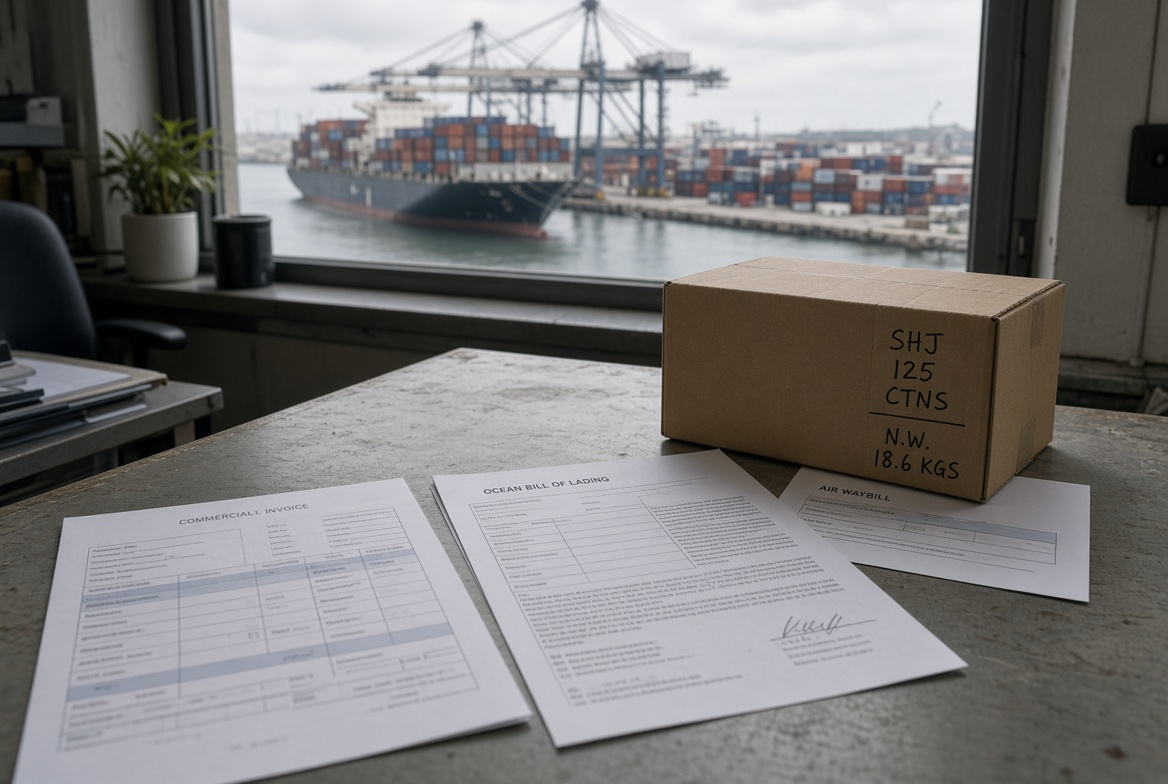
Carriage Paid To (CPT) is a term used in which the seller does the export formalities, passes the goods to the carrier and pays the freight to the named country. The risk transfers not at delivery but not at signature of the buyer, but at when the goods are handed to the first carrier.
It could be a trucker picking up the cartons from a factory in Dongguan, a consolidated cargo warehouse in Yiwu or an airline in Shenzhen or Guangzhou. Once that handover, delay or damage or loss occurs, it is normally the buyer’s responsibility unless stated in a separate contract/policy.
When CPT Fits Air, Rail, Road, or Multimodal Freight
CPT Incoterm for air freight is a popular match when urgent electronics and sample lots and replenishment cannot wait for a vessel. It also is designed to accept apparel cartons collected from multiple brands, transported by truck to a warehouse, and then by air or rail to a designated location.
CIF isn’t a good starting rule for those moves. CIF is based on loading on the vessel. No air waybill, Railroad Consignment Note or multimodal handoff counts as vessel loading.
When your goods are going out from China via air, rail, road or a combination of these, compare freight service from China with the named place in the sales contract. OriginLink can assist with mapping pickups, consolidation and mode options. It does not select the Incoterm to be used by either party.
CPT Does Not Automatically Include Cargo Insurance
This is the warning that many first time importers overlook. There is no automatic responsibility to insure the buyer’s risk under CPT. A buyer who does not have a policy might be paying freight (after first carrier handover) and no cover will be recoverable.
Self organise cargo insurance or include an insurance contract prior to dispatch. Verify the coverage amount, insured amount, exclusions, geographic limits and claims contact. Don’t rely on the “warehouse cover” from the seller, the “limited liability” scheme of the carrier or a line on a quotation that states “insurance included.”
CPT and Destination Delivery Scope
The named destination under CPT could be an airport, a terminal, a CFS, a warehouse, or some other mutually agreed upon place. The buyer typically is still responsible for:
- Any charges for loading and unloading after the agreed destination
- import customs clearance
- Duties, VAT and other import taxes.
- Delivery of goods from any place within the city or county limits.
- Documents: If documents appointments are late, they will be stored in the storage room, inspected or delivered.
The named place can be a warehouse and CPT can sound like a term for door-to-door. It is only door to door when a written scope is actually paid for the last mile.
What CIF Means for a Shipment from China
Cost, Insurance and Freight (CIF) is the CIF Incoterm for sea freight. The seller provides the goods with export clearance, loads the goods on board at the port of origin and pays the freight to the port of destination designated by the seller, and arranges the cargo insurance required by the rule. There is a risk transfer in place when goods are on board at origin, not when the vessel arrives.
A buyer who reads the letters, rather than the rule, is a buyer who treats CIF as “seller owns the cargo until my port”.
When CIF Fits Containerized Ocean Cargo
CIF covers the standard ocean transport of containerized goods from and to China (furniture, building materials, full container of apparel or other goods that are being transported by sea and delivered in connection with a vessel).
Not every LCL shipment will automatically be chosen. LCL cargo frequently arrives at CFS, is consolidated and loaded. The named port, the process of the terminal and the wording of the contract must correspond to this movement. When the parties cannot describe when the goods are “on board” and where, then CIF will develop arguments later.
When the movement is definitely ocean freight, the comparison is between FCL or LCL sea freight from China, and the named destination port and the delivery scope which is located after arrival will be locked.
What Seller-Arranged Insurance Does and Does Not Mean
CIF stipulates that the seller arranges the cargo insurance for the buyer. This is not an unlimited all-risk cover, and it isn’t a guarantee that losses will be covered.
Request policy or certificate prior to departure. Compare the coverage with the minimum as per Incoterms® 2020, the insured value and the voyage, the cargo description and exclusions. Where there is a need for wider wording than a minimum clause, such as for machinery, electronics, batteries, chemicals and under-supplied cargo. Check which individuals are eligible to claim and what documents the insurance company will require.
This could be a valid policy that a seller selects, but not an option that the buyer is willing to live with.
Port Charges and Delivery After Arrival
CIF takes the seller’s carriage obligation to the named destination port. Does not imply that all charges are payable on arrival of the ship by the seller.
In writing, confirm that the destination terminal handling, unloading, customs clearance, import duties and taxes, demurrage or storage if sitting, inland trucking and final unloading at a warehouse is paid for by the importer. These can change from port to port, terminal to terminal and contract to contract. Never use a CIF unit price as landed cost.
CPT vs. CIF: Cost, Risk, Insurance, and Control
The useful CPT vs. CIF decision isn’t “which abbreviation is less expensive?”. Origin handling, insurance, destination terminal fees, customs, inland delivery or the seller’s freight markups may be hidden in the invoice price. When comparing scope, compare money.
Which Term Gives the Buyer More Transport Flexibility?
CPT is more expansive in terms of mode and destination structure. It can refer to an airport, terminal, warehouse or any other location and can travel along air, rail, road, sea, or a mix of these. Narrower, sea or inland waterway, delivery tied to the vessel, named destination port; CIF.
CPT still has enough space for you to decide between air and sea, or LCL and FCL. Where the shipment is already a conventional ocean shipment to a known port, it might be the more familiar port-based structure (where insurance and destination costs are confirmed).
Who Controls Insurance and Claims?
The default positions are different with CPT vs CIF insurance. Typically, the risk period from first carrier handover is left to the buyer to insure. CIF places the necessary policy into the seller’s hands, but the buyer must check to ensure coverage and claim rights.
Never take the seller’s insurance for granted. Inquire if the certificate lists the buyer as the beneficiary or as additional insured; how claims are to be made in the destination country; and if packing or delay exclusions, and cargo-type exclusions apply.
Which Term Gives Better Cost Visibility?
Total landed cost is not displayed automatically for either of these terms. Origin extras and destination terminal charges, clearance fees, duties, taxes, and last-mile delivery are examples of things that may be excluded from a CPT or a CIF unit price and still be counted as part of the unit price.
If possible, you can get a written scope that splits in 2 ways:
- Pick-up, warehouse and export costs
- main carriage
- insurance
- The charges levied by the port manager for the port work.The charges placed by the port manager for the port work done.
- customs clearance
- duties and taxes
- Inland delivery/unloading
When the seller refuses to itemize, don’t consider the quote cheap, rather incomplete.
When the Buyer Should Avoid a Casual CPT or CIF Choice
Examine contract when goods are high value machinery, fragile electronic equipment, dangerous goods, project cargo, temperature-sensitive goods, multi-supplier consolidation or true door-to-door delivery. The shipments require a named place, insurance, and a clear list of destination tasks; they require all of these things to match the physical route, insurance to match the cargo, and a clear list of tasks to be done at the destination.
This review is based on shipment. It does not mean that it is a superior term in itself, or that CPT or CIF is inferior, and that it should be replaced with another term without considering mode and delivery intent.
Common CPT and CIF Mistakes Importers Make
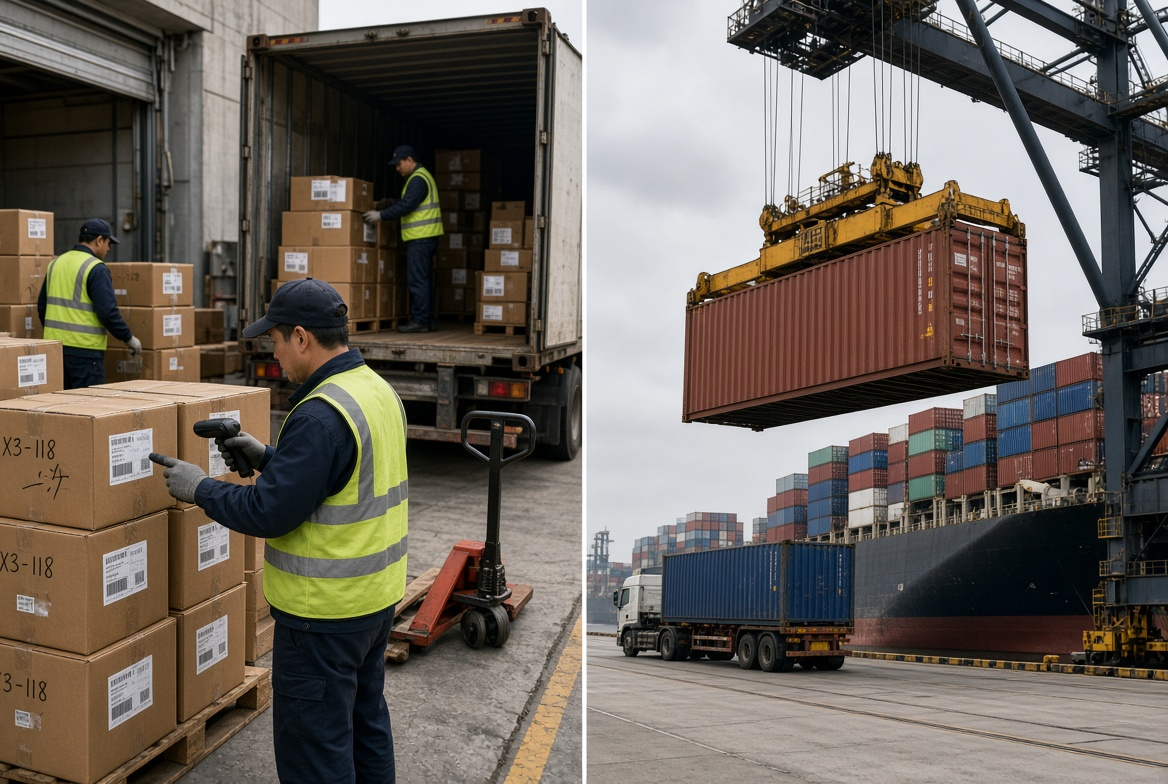
Most conflicts begin with a statement that seemed to be sensible in a chat message. Try each one out before signing.
Treating Seller-Paid Freight as Seller-Borne Risk
Assumption is wrong: If the seller has paid the freight, the seller will own any damage until they arrive.
Ask: Where (physical) does the risk transfer under the option chosen Incoterms® 2020 rule? Is this physical point mentioned on the invoice?
Using CIF for Air or Multimodal Freight
The wrong idea: CIF stands for “seller pays shipping.”
Consequence: A sea rule named in the contract is not for loading cargo.
Question: What is the real mode of China to the named place? If it’s air, road, rail, or multimodal, begin with a rule for that mode.
Assuming CIF Insurance Covers Every Loss
Wrong assumption: Seller-arranged insurance will cover damage, delay, and shortage.
Consequence: A claim denied due to packing, inherent vice or delay or due to an excluded cargo type.
Please provide copies of the certificate, the coverage, the insured value and exclusions before the vessel sails?
Writing Only “CPT Destination” or “CIF Destination”
Incorrect assumption: a country or city name is precise enough.
Consequence: arguments over terminal handling, unloading, import clearance, and final delivery.
Ask: can the same named terminal, warehouse, airport, or port appear on the contract, quotation, booking, and invoice?
Comparing Only the Product Price
Incorrect assumption: the lower CPT or CIF unit price is the better deal.
Consequence: destination charges, insurance gaps, and inland delivery appear after the cargo is already moving.
Ask: please itemize origin charges, carriage, insurance, destination exclusions, customs responsibility, duties and taxes, and delivery.
How to Decide Between CPT and CIF for Your China Shipment
When shipping to China, what should you choose, CPT or CIF?
- For the real shipment, use this sequence, NOT on the abbreviation.
- Check the actual means of transportation. CIF is typically not the appropriate beginning when shipment can only be transported by land.
- Identify the specific named place or port.
- Recognize the instance of transfer of risk.
- Verify insurance coverage and who is responsible for arranging insurance.
- List destination customs, duties and taxes, terminal, inland and unloading responsibilities.
- Look at the total landed cost scope, and not just the product line.
- Align the term to the cargo risk and control that is exercised.
A Practical CPT Scenario
An importer purchases electronics or apparel from multiple suppliers in China and requires air or multimodal freight to a named airport and/or warehouse. The seller bears up to such place carriage and performs the export formalities. The buyer arranges/verifies the cargo insurance after first-carrier handover and is responsible for import clearance, duties and taxes, and for any delivery beyond the named place.
A CIF scenario that is practical.
A Practical CIF Scenario
The seller arranges export clearance, ocean freight and the necessary insurance etc. The transfer of risk is made when the goods are loaded on board at the Chinese load port. The buyer accepts that the destination terminal charges, import clearance, duties and taxes are accepted as complete before accepting the CIF price.
What to Ask for in the Written Quotation
A copy of the insurance certificate/policy or a confirmation that the buyer will provide insurance.
- origin charges included and excluded
- destination charges excluded
- Who carries out customs clearance?
- The party that does not pay duties and taxes
- If not, does she plan to include it later?If not, will she add it in the end?
- claims contact
- Exceptions for cargo (batteries, chemicals, oversized cargo, fragile electronics)
If the facts are still open, discuss your shipment requirements for China with a freight team to get the better comparison of mode, named place, insurance and shipment scope with the actual shipment that you need to move. OriginLink coordinates logistics. This is not a substitute for the sales contract, the insurer, the customs broker or legal advice.
Frequently Asked Questions
What is the main difference between CPT and CIF?
CPT can be applied in all modes of transport including multimodal. CIF is used for sea and inland waterway transport. Both CPT and CIF involve the seller paying carriage to a designated destination, but there is a difference in the transfer of risk: CPT is earlier than arrival (first carrier handover), while CIF is at the port of shipment (onboard loading). The seller is only required to provide cargo insurance for the rule for only CIF.
Is CPT or CIF better for shipping from China?
China mostly relies on the mode, cargo, named place, insurance, and the destination work that the buyer can do, and which incoterm is better. Those facts should be written down, not just a unit price comparison, before deciding on either CPT or CIF for international shipping.
Can CPT be used for air freight from China?
Yes. CPT is typically used in situations where air freight or multimodal transport is involved with an air leg or rail or road leg. When the goods do not travel by sea or inland waterway and are not delivered in connection with a vessel, then CIF is not the right rule.
Does CIF include cargo insurance?
The seller is responsible for arranging the cargo insurance for the buyer in accordance with the level of coverage mandated by Incoterms® 2020 for CIF. It is not an unlimited All Risk cover. Ask for a certificate, review restrictions and procedures for claims.
Who pays import duties under CPT and CIF?
Normally, under both terms, import customs clearance, import duties and import taxes are the responsibility of the buyer, unless it is otherwise agreed in the sales contract. Incoterms allocate specified delivery and risk tasks. They are not in lieu of destination customs law.
Does CIF include delivery to my warehouse?
Not automatically. CIF assumes the seller’s carriage liability to the port of destination named. A special written agreement is required for inland delivery, port unloading and numerous port charges. CPT can specify a warehouse but it is not specified in the contract scope whether or not the last mile is included.
When does risk transfer under CPT and CIF?
CPT transfers risk at the time the goods are handed to the first carrier. CIF means that the risk is transferred when the goods are loaded on board the ship at the port of shipment. Under either rule, there is no default point of risk at the destination.