
Port-to-port, port-to-door and door-to-door shipping is a service-scope decision, not a slogan to make things easier. If the shipping of goods is port-to-port, it typically concludes at the port or airport where the goods are to be delivered. The arrival period usually begins thereafter, and is the beginning of port-to-door shipping, which will arrange for transportation inland to the named address of the buyer. Door-to-door shipping links the journey from the pick-up location in China to that final named location.
These do not imply acceptance of Incoterms or export or import procedures, destination charges, customs assistance, payment of duties and taxes, or delivery of unloading. Before considering any of the three as a complete plan, read the quote and the shipping directions.
Why Delivery Scope Matters More Than the Label on the Quote
Each of the cartons is quoted three ways because all three aspects of the job are being coordinated by the freight provider. A low port-to-port rate might not include destination handling, customs clearance, delivery by local trucks, etc. A service that works door to door may appear bigger simply because there are more of those activities in their very same offer.
Never accept a port-to-port ocean rate when a delivered quote has been offered, as this does not necessarily make it cheaper. The only way to compare them is to specify the origin and destination services included with each option. If a fair comparison is to be made, the same cargo-ready date, pick-up address, origin, destination city or address, customs responsibility, and expectation of unloading should be utilized.
The real decision is operational: who has the knowledge, local contacts, time, and capacity to manage each remaining leg. Service scope determines who coordinates origin pickup, international transport, destination clearance support, and final delivery. If you need that broader arrangement, review door-to-door shipping from China against the pickup point, destination address, and responsibilities you actually need confirmed in writing.
What Is Port-to-Port Shipping?
The ports-to-ports shipping from China service offers transport from a pre-established origin port or airport to a pre-established destination port or airport. Following the arrival of the goods, the importer, the consignee or their destination agent will usually handle the remainder of the tasks, depending on the terms of shipment and local customs.
This model is appropriate for an importer with prior experience in importing goods who has already been given a customs broker, destination agent, trucking company, receiver of goods yard and a definite cargo release and collection strategy. This also can work for the consumers who wish to have control over the destination operations. The sum of destination handling, customs, trucks and cargo collection is not necessarily the lowest down payment.
What May Be Included at Origin
Origin scope varies. A shipment can still require factory pick-up, port/airport delivery, receiving at the warehouse, booking at the carrier, export documents, export declaration, terminal handling and cargo handoff. The buyer has to find out from the supplier whether it is the supplier’s or the buyer’s or the forwarder’s job to do each.
The term “port-to-port” is not the final word in “responsibility” for origin. Some quotes begin only at the point 0.Some quotes begin at just the origin terminal. Other handlers combine the primary freight with origin pickup in a separate scope of work. Don’t just ask about the starting point of the quoted work, ask where the vessel or aircraft leaves.
What the Importer Must Plan After Arrival
Post-arrival arrangements include destination customs procedures, port/airport release, local terminal charges, cargo collection, inland transport, port/receiving warehouse and delivery appointment/ unloading. Details will depend on destination and load.
The container arrival notice drops to the ground, but there is no broker, no delivery truck, and no receiving slot. The goods have been transported internationally. The job that was supposed to be working has not.
What Is Port-to-Door Shipping?
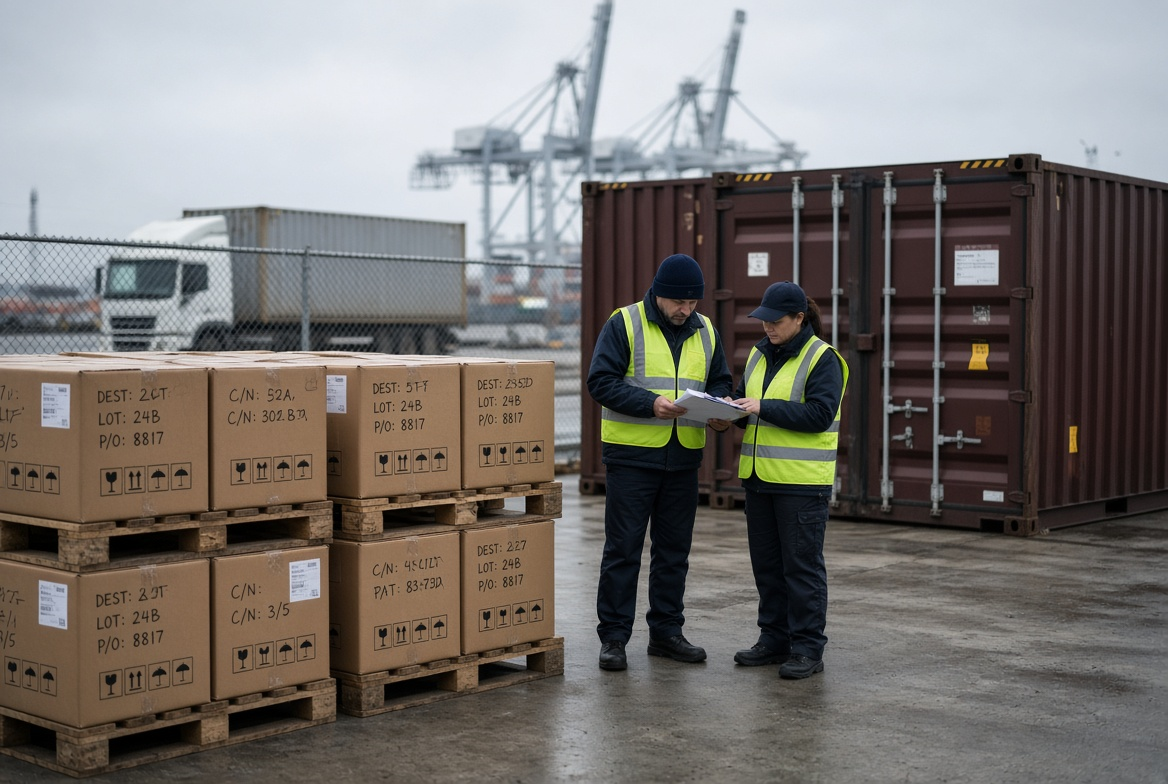
Port to door shipping from China is a destination side delivery scope. International freight is delivered to the agreed port or airport and local transport is arranged from there to the buyer’s named delivery address, as agreed.
Origin pick up is not always part of port-to-door freight delivery. It is also not a document that automatically makes decisions on how destination customs clearance, duties and taxes, terminal charges, unloading and import documentation will be handled. Verify that information in the quote and shipment instructions.
When Port-to-Door Can Be Useful
Port-to-door can also be employed by customers who already schedule activities at the origin, or where their supplier is in charge of getting the goods to the origin port, and require assistance in getting the goods from the arrival point to a warehouse, retailer or fulfillment center or business.
A realistic case: The China supplier is already shipping to the origin port; the importer does not have a trucking partner at the arrival port. If the terms and conditions of customs clearance and cargo release are well prepared and clearly thought out, along with the destination, then the last leg of the inland journey can be made easy and simple by port-to-door. Those pieces on destination, if they remain unchanged, end up resulting in no solution to the handoff.
Delivery Address and Receiving Conditions Still Matter
A street address is not a complete delivery plan. Provide the postcode, receiver contact, opening hours, booking or appointment rules, vehicle access, unloading capability, and any restriction on truck size or delivery time.
Delivery may end at an agreed point. Unloading, inside placement, assembly, or installation are not automatically included unless they are confirmed. A warehouse dock with a booked window is a different job from a site with no forklift and a height-restricted approach road.
What Is Door-to-Door Shipping?
A street address does not constitute a complete delivery address. Enter the postcode, receiver contact, opening hours, booking or appointment requirements, vehicle access, unloading facilities and any truck size or delivery time restrictions.
In certain cases, delivery may be ended at agreed upon location. Unloading, inside placement, assembly and installation are not included in the scope of work unless confirmed. A dock in a warehouse that’s scheduled to receive forklift access is a different type of job than having a site with no forklift and an approach road that is less tall.
What Door-to-Door May Coordinate
Door-to-door shipping involves coordinating the transportation from China from an origin pick-up point to the destination point in the country or region. That can range from pickup to export handling, international transport to destination customs-clearance support and last-mile delivery, under an agreed scope.
It is very helpful for an importer who would like to get more handoffs coordinated by one team, particularly when purchasing goods from Chinese factories and shipping them to a warehouse or business address. The forwarder does not accept all legal, customs, tax, product-compliance, unloading and import-record responsibilities. The Buyer remains responsible for the shipping aspect from door to door: Goods information, commercial documents, shipping details, import information.
Door-to-Door vs. DDP, DAP, and Other Delivery Terms
The physical logistics scope is called "door-to-door. Commercial delivery responsibilities are covered by DDP, DAP and other Incoterms. The two are not the same, but they do interact with each other. Do not presume that duties and taxes are paid by the forwarder and also that the buyer is not required to pay import duties.
Read what the quote says about freight, duties and taxes, customs responsibility, destination charges, and final delivery. If you specifically need duties, taxes, customs responsibility, and delivery under confirmed DDP terms, evaluate DDP shipping from China as a separate commercial arrangement rather than treating every door-to-door offer as Delivered Duty Paid.
Port-to-Port vs. Port-to-Door vs. Door-to-Door: Side-by-Side Comparison
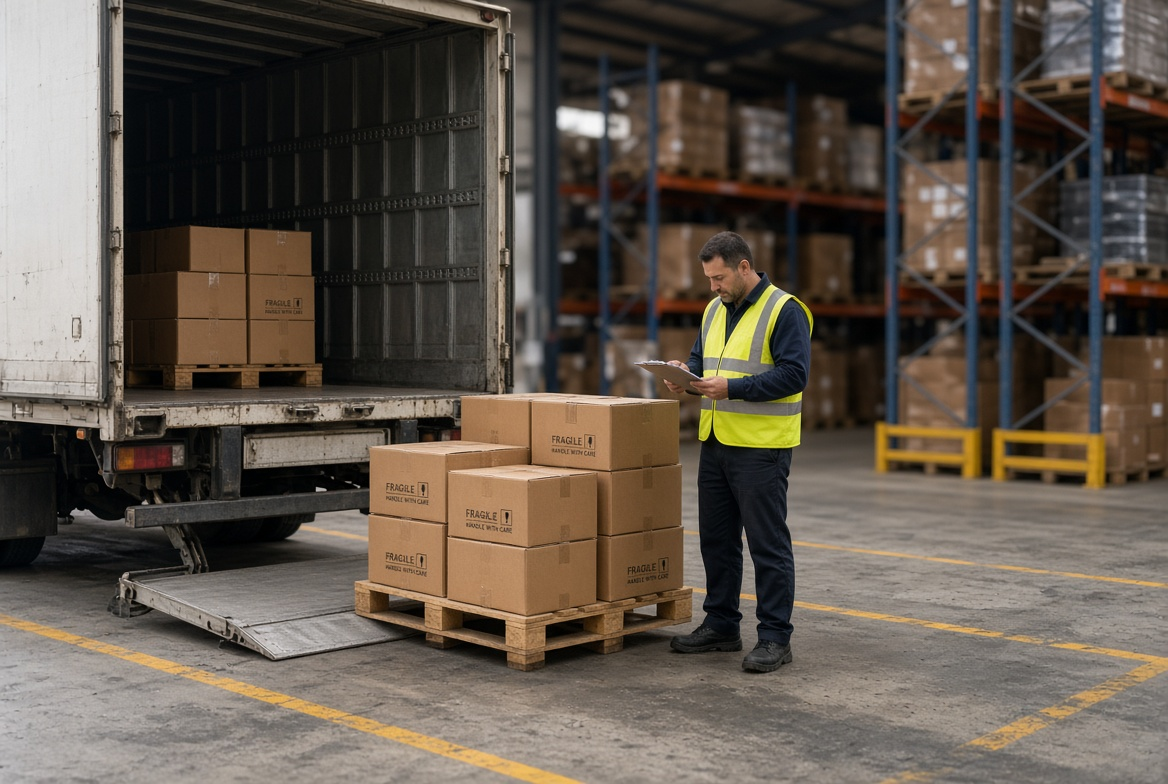
This table can be used as a responsibility mapping for port-to-port, port-to-door and door-to-door shipping. It is not a price, speed or ease ranking.
| Decision Area | Port-to-Port | Port-to-Door | Door-to-Door |
|---|---|---|---|
| Usual origin start point | Agreed origin port or airport, though origin services may be separately arranged | Agreed origin-side point; origin scope must be confirmed separately | Factory, supplier, or agreed origin pickup point in China |
| International transport | Included under the agreed freight arrangement | Included under the agreed freight arrangement | Included under the agreed freight arrangement |
| Destination port/airport arrival | End point for the main freight scope | Starting point for the destination delivery scope | One stage within the overall pickup-to-delivery process |
| Customs and cargo release | Importer or destination agent must usually plan the agreed arrangements | Must be confirmed: may be coordinated separately or within the agreed destination scope | Destination clearance support may be coordinated under the agreed scope; responsibilities must be confirmed |
| Inland delivery | Buyer arranges | Coordinated to the named delivery address under the agreed scope | Coordinated to the named delivery address under the agreed scope |
| Best suited to | Importers with destination customs and trucking resources | Buyers who need destination delivery support but have origin-side arrangements | Buyers who need broader coordination from China pickup through final delivery |
| Critical question | Who will clear and collect cargo after arrival? | Who handles customs release, delivery, and unloading? | What exactly is included from pickup through delivery? |
Don’t silently select from the table. It depends on destination capability, freight type, delivery address, urgency, budget structure, and the degree of coordination you wish to have one team conduct. A prospective purchaser who has a customs broker and local trucking system might want to do something differently than a first-time buyer who is importing to another warehouse miles away from the port of entry.
How to Compare Quotes Without Missing Destination Costs
Request all providers to clearly explain in writing what origin services, main freight, destination services, customs coordination, duties and taxes handling, delivery, unloading and exclusions entail. Check the shipping delivery of scope for China first. The only thing that will be useful is when the start and end points are the same.
Check if the quotation starts at the supplier, the warehouse, the port or the airport and if it also ends at the terminal, at the curbside, the loading bay or an agreed point of delivery. Different destination charges can be excluded from two offers that have the same freight wording.
Questions to Ask Before Selecting a Shipping Scope
- Who is responsible for organizing the pick-up and where does it start?
- What kind of export activities are covered?
- Does it only refer to the port or airport or does it refer to local delivery?
- Who is responsible for coordinating customs and submitting documents?
- Are duties and taxes included, excluded or payable separately?
- What are the fees for destinations included or excluded?
- Does it include the shipping address to the person named?
- Does the unloading come with it and what are the site conditions?
- If the receiver needs an appointment, who does they make?
- If carton number, size or delivery address changes, what information is required?
Why Destination Delivery Can Fail Even When International Freight Is Confirmed
It is possible for a shipment to reach a port or airport correctly and still get stuck. No customs release plan, no appointment, inadequate access to trucks, no receiver on site, inadequate unloading equipment or inadequate destination information. Port arrivals do not equal cargo releases. Customer clearance preparations, paperwork, responsibilities, taxes and local regulations still need to be addressed and that is why customs clearance assistance is part of the same discussion as delivery scope.
Booked delivery window and access to loading docks may be necessary at a warehouse. An importer who provides just a street address may cause delays and/or redelivery expenses after the ocean/air move is complete.
Common Mistakes When Choosing a Shipping Delivery Model
Common mistakes are selecting a label or headline freight rate instead of a handoff plan.
Assuming Door-to-Door Includes Every Destination Cost
Verify responsibilities, taxes, customs, terminal to destination, terms of delivery and unloading. “door to door” is not an adequate answer to those questions. Two door-to-door quotes can still have different expectations when it comes to paying tax and unloading.
Choosing Port-to-Port Without a Destination Release Plan
When port-to-port is the preferred mode of transport, the goods should be released and customs clearance is planned, as should local trucking, warehouse receiving and final delivery. These arrangements are important to make and if not, buying just the international leg may lead to delays after the arrival of the cargo.
Forgetting the Delivery Site’s Physical Conditions
Take into consideration truck access, warehouse opening hours, appointments, loading docks, receiver availability, cargo dimensions, pallet handling and unloading equipment. This is particularly important for large, heavy, fragile or palletized commercial cargo. If the vehicle is not able to get to the site, a quote ending with “at the door” is still considered unsuccessful.
Confusing Delivery Scope With Incoterms
Physical scope of shipment and commercial “Incoterms” are not synonymous. Review the freight quote and the sales/purchase agreement, to ensure an understanding of delivery obligations, duties and taxes, and import responsibilities. A gap doesn’t exist between a DAP purchase term and a port to port freight quote, much like a gap doesn’t exist between a DDP purchase term and a door to door freight quote.
Frequently Asked Questions
Is Port-to-Port Shipping Cheaper Than Door-to-Door Shipping?
A lower quoted figure might be used for a port-to-port service because it ends at the port. The importer should still cover the clearance fees, terminal fees, local transport and delivery. Compare the total cost to the same end point. The first comparison in the scope of Port-to-Port vs Door-to-Door shipping is a first.
Who Handles Customs in Port-to-Door Shipping?
The responsibility of the customs varies according to agreed scope of service, incoterm, customs destination rules and customs quote terms. Verify document, clearance, responsibilities and taxes, cargo release and delivery coordination. Always remember that the customs file is not included in the destination trucking arrangement.
Does Door-to-Door Shipping Include Duties and Taxes?
Not necessarily. Pickup-to-delivery is a service referred to as door-to-door. Duty and tax treatment will be dependent on the commercial terms agreed, such as DDP or otherwise.
Can I Use Door-to-Door Shipping for LCL Cargo?
Where the route, cargo, destination and scope agreed meet, door-to-door planning may be available for LCL cargo. Reconfirm destination charges, customs steps, final delivery and cargo-handling requirements. Post deconsolidation charges may be applicable for shared-container cargo.
What Information Do I Need for a Door-to-Door Shipping Quote?
Enter description of cargo, carton count, dimension, gross weight, pick up location, date of cargo ready for pickup, delivery address, Incoterm, delivery requirement, and special-cargo information. If there are multiple factories, provide each pick up location and ready date.
Is Unloading Included in Door-to-Door Delivery?
Unloading is dependent on the scope of delivery, cargo type, vehicle, destination conditions and the capability of the receiver. Always check before booking, particularly in the case of pallets, large items, oversized cargo or facilities lacking dock equipment.